
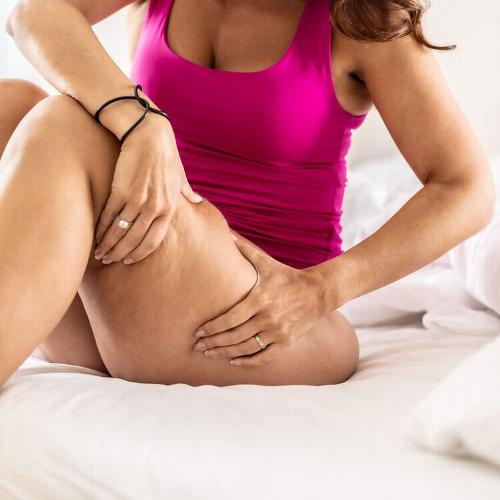
How to Understanding the Difference
Have you noticed puffiness, uneven skin texture, or a feeling of heaviness in your legs and thighs? You might automatically assume it's cellulite, but the real cause could be fluid retention — or a combination of both.
Although cellulite and water retention are two different conditions, they can sometimes create a similar appearance, making it difficult to recognise what's really happening beneath the skin.
Both may contribute to changes in the appearance of your thighs, hips, buttocks and legs. However, cellulite is associated with the structure of fat and connective tissue beneath the skin, while fluid retention involves excess fluid collecting in the body's tissues.
Understanding the difference is important when choosing the right approach to body care, massage treatments and overall wellbeing.
Not Every Bump Is Cellulite, and Not Every Puffy Area Is Fat!
Difference Between Cellulite and Water Retention Matters !
Confusing cellulite with water retention is more common than you might think, and understanding the difference can make a significant impact on how you approach body care and treatments.
Many people spend months, or even years, trying different creams, exercises and body treatments without seeing the results they hoped for. The reason may be simple: cellulite and fluid retention are two different concerns that require different approaches.
Although they can create similar changes in the appearance of your skin and body contours, their underlying causes are not the same.
Cellulite is associated with the structure of connective tissue and fat beneath the skin, while water retention involves excess fluid accumulating in the body's tissues.
Recognising the difference is the first step towards choosing the right treatment and achieving realistic results.
Before exploring possible solutions !
It's important to understand what cellulite really is, why it develops and how it differs from temporary swelling caused by fluid retention.
With the right knowledge, you can make more informed decisions about your body, avoid unnecessary treatments and choose an approach that supports your individual needs.
Understand Your Body. Choose the Right Approach. Feel Confident in Your Skin!
What Is Cellulite?
Cellulite is a common and completely natural skin condition that affects the appearance and texture of the skin, most often around the thighs, buttocks, hips and abdomen.
It develops when fat beneath the skin pushes against the surrounding connective tissue, while fibrous bands pull the skin downwards. This creates an uneven surface with visible dimples, bumps or a slightly rippled texture, often compared to the appearance of orange peel.
Cellulite is not simply caused by excess body fat !
Its appearance is influenced by several factors, including genetics, hormones, skin elasticity, fat distribution and the structure of connective tissue.
It can affect women of all ages, body shapes and sizes, including those who are slim, physically active and maintain a healthy lifestyle.
Understanding what causes cellulite is the first step towards choosing realistic and effective ways to improve the appearance of your skin.
Cellulite Is Not Just About Body Weight
One of the biggest misconceptions about cellulite is that it develops simply because of weight gain or excess body fat. The truth is that cellulite is not necessarily linked to body weight. It can affect women of all shapes and sizes, including those who are slim, physically active and maintain a healthy lifestyle.
Cellulite develops through a combination of factors ;
- including genetics
- hormonal influences
- fat distribution
- connective tissue structure
- skin elasticity
These factors influence how the skin and underlying tissues interact, determining how noticeable the characteristic dimples and uneven texture become.
Why Is Cellulite More Common in Women?
Cellulite most frequently appears on the
- thighs
- buttocks
- hips
- abdomen
It can also develop on the upper arms and other areas of the body.
Women are particularly prone to cellulite because of differences in fat distribution, hormonal activity and the structure of connective tissue beneath the skin.
Oestrogen plays an important role in female fat distribution, while the arrangement of fibrous connective tissue makes dimpling more likely to become visible.
This explains why even women who exercise regularly, eat a balanced diet and maintain a healthy weight may still experience cellulite.
Can Weight Loss Eliminate Cellulite?
Although maintaining a healthy weight can support overall wellbeing, losing weight does not automatically mean cellulite will disappear.
Cellulite is primarily related to the structure of the tissues beneath the skin, rather than simply the amount of fat stored in the body.
Weight loss may make cellulite less noticeable for some people, but it cannot necessarily change the fibrous connective tissue responsible for the dimpled appearance. In certain cases, significant or rapid weight loss may even make cellulite more visible, particularly when accompanied by reduced skin firmness or elasticity.
The First Step Towards Improving the Appearance !
To manage cellulite effectively, it is important to look beyond body weight and understand the different factors contributing to its appearance.
Approaches that focus on skin firmness, muscle tone, overall tissue health and realistic body-contouring goals may help improve the skin's appearance, although results vary and no single method can guarantee permanent cellulite removal.
Learning more about what causes cellulite and how it develops beneath the skin can help you make informed decisions about suitable treatments and lifestyle choices.
Remember: Cellulite is a natural and extremely common feature of the female body. It is not a sign of poor fitness, unhealthy habits or being overweight.
What Is Water Retention?
Water retention, also known as fluid retention, occurs when excess fluid accumulates within the body's tissues, leading to temporary swelling and puffiness.
Unlike cellulite, which is associated with the structure of fat and connective tissue beneath the skin, water retention involves an imbalance in how the body regulates and distributes fluids.
When fluid circulation and lymphatic drainage are not functioning optimally, excess fluid may collect in certain areas, particularly the legs, ankles, thighs and abdomen.
This can create a sensation of heaviness, tightness, bloating or discomfort, sometimes making the body appear less defined.
Water retention can be influenced by several factors:
- hormonal imbalance
- prolonged sitting or standing
- *high salt intake
- changes in physical activity.
While mild fluid retention is often temporary, persistent or unexplained swelling may require medical assessment.
Unlike cellulite, which is linked to the structure of the skin and underlying connective tissue, water retention can change noticeably throughout the day.
Puffiness and swelling may become more visible after prolonged :
- sitting
- travelling
- hormonal imbalance
- changes in diet, sleep
- daily routines.
This explains why your body may sometimes appear fuller, heavier or less defined, even when your actual body fat has not changed.
What factors can contribute to fluid retention ?
- hormonal changes
- excessive salt consumption
- hot weather
- prolonged inactivity
- certain health conditions.
These influences can temporarily disrupt the body's natural fluid balance, allowing excess fluid to accumulate within the tissues.
As fluid builds up beneath the skin, it may create a swollen or uneven appearance, making existing cellulite more noticeable.
However, this does not necessarily mean that cellulite has increased or that additional body fat has developed. Instead, temporary fluid accumulation may be affecting the skin's appearance and the definition of your natural body contours.
Understanding the causes of water retention and ways to manage it can help you recognise the difference between temporary puffiness and structural cellulite.
Identifying the underlying cause is essential when choosing the most appropriate approach to improving skin appearance, reducing discomfort and supporting your body's natural fluid balance.
Cellulite Or Water Retention: What's the Difference?
Cellulite and water retention can sometimes look very similar, but they affect your body in different ways.
Knowing how to recognise the signs can help you better understand what your body needs and choose the most suitable treatments.
Let's look at the main differences:
Skin Texture – How Does It Feel?
Cellulite:
Your skin may look uneven or dimpled, often described as an "orange peel" appearance. These changes are caused by the way fat and connective tissue interact beneath the skin.
Water Retention:
Your skin may feel softer, puffier or slightly swollen. Sometimes, it can also feel tight or stretched due to excess fluid building up in the tissues.
Swelling and Heaviness – How Does Your Body Feel?
Cellulite:
Usually doesn't cause noticeable swelling or heaviness, although some areas may feel sensitive.
Water Retention:
Can leave your legs feeling heavy, tired, swollen or uncomfortable, especially after sitting or standing for long periods.
How Quickly Do Changes Appear?
Cellulite:
Usually develops gradually and tends to remain visible over time. It doesn't suddenly appear or disappear overnight.
Water Retention:
Can change surprisingly quickly! You might notice more puffiness one day and less the next, depending on your hormones, activity levels, diet and other factors.
What Can Help Improve Their Appearance?
Cellulite:
Changes usually take time. Regular physical activity, maintaining a healthy lifestyle and supporting skin health may help improve its appearance, although cellulite is completely normal and may not disappear entirely.
Water Retention:
Mild, temporary puffiness may improve with gentle movement, regular hydration, reducing excess salt and avoiding long periods of inactivity. Appropriate lymphatic drainage massage may also help with certain types of swelling.
Understanding Your Body Is the First Step!
The important thing to remember is that cellulite and water retention are not the same, even though they can sometimes appear together.
By understanding the differences, you can make more informed choices about your body care routine and find treatments that suit your individual needs.
Please note !
New, persistent, painful or unexplained swelling should be assessed by a healthcare professional before massage or body treatments.
Why Choosing the Right Treatment Makes a Difference
Have you ever tried different treatments or lifestyle changes to improve cellulite or reduce puffiness, but felt disappointed with the results?
One reason could be that you're focusing on the wrong issue. Although cellulite and water retention can look very similar, they have different causes and need different approaches.
Understanding what's really happening in your body is the first step towards choosing the right treatment, avoiding unnecessary frustration and achieving more noticeable results.
Creams and lotions may help your skin feel softer, smoother and more hydrated, but they cannot address the underlying causes of water retention or cellulite. If excess fluid is making your skin look puffy or uneven, creams alone are unlikely to make a noticeable difference.
Exercise is another important factor. Staying active supports healthy circulation, muscle tone and overall wellbeing. However, exercise alone may not be enough to reduce the appearance of cellulite, especially when hormonal changes or temporary fluid retention are involved.
Sometimes, intense workouts can also cause temporary muscle inflammation and swelling, making the skin appear slightly more uneven for a short time.
This is why understanding what your body needs is so important. If you're experiencing puffiness or fluid retention, gentle movement, proper hydration, enough rest and stress management may help you feel more comfortable.
Lymphatic drainage massage
Supportive treatments, such as lymphatic drainage massage, may also help relieve temporary puffiness and feelings of heaviness, although they cannot permanently remove cellulite.
For water retention, the main focus is helping your body naturally move excess fluid, reduce swelling and improve circulation.
Lymphatic drainage massage is a gentle and effective way to support the body's natural fluid drainage process. It can help ease puffiness, reduce the feeling of heavy legs and improve the appearance of skin affected by temporary fluid retention, particularly around the thighs and legs.
Infrared sauna therapy may also be a helpful addition, as gentle heat encourages blood circulation and promotes relaxation.
However, looking after your body between treatments is just as important.
- drinking enough water
- getting quality sleep
- managing stress
- staying active with gentle movement all help support healthy circulation and your body's natural fluid balance.
The key is consistency!
Combining supportive treatments with simple, healthy daily habits can help you feel lighter, more comfortable and refreshed.
These treatments are particularly helpful when water retention is causing puffiness and uneven skin texture. If your skin looks different from day to day, especially after travelling, hormonal changes or sitting for long periods, fluid retention may be playing a role.
For cellulite, a different approach is needed.
Cellulite develops gradually and is influenced by fat cells, connective tissue and skin firmness. Improving its appearance takes time, patience and regular care.
Treatments that support healthy circulation, skin firmness and collagen production may help make cellulite less noticeable. Combining different treatments can often give better results than relying on just one method.
Learning about the best treatments for reducing cellulite can help you understand which options may work for you and why consistency is important for lasting improvements.
The key is understanding what your body needs. When you know whether you're dealing with cellulite, water retention or both, it's much easier to choose suitable treatments and avoid wasting time on approaches that may not help.
However, not every change in your skin or body is caused by these conditions. Sometimes, swelling, discomfort or unusual changes in skin appearance can be signs of another health concern.
That's why it's important to pay attention to your body's signals and understand when professional medical advice may be needed, especially if swelling is sudden, painful, affects one leg or doesn't improve.
If you're experiencing ongoing pain rather than mild tenderness or a feeling of heavy legs, it may be a sign of something other than cellulite or simple water retention.
Swelling that affects only one side of your body, appears suddenly, or becomes unusually severe should also be taken seriously.
These symptoms don't always mean something is wrong, but they are worth checking with a healthcare professional. Some conditions can look similar to cellulite or water retention but may need different care and treatment.
Sudden swelling in one leg, especially with pain, redness or warmth, needs urgent medical assessment.
Understanding the difference between LIPEDEMA and LYMPHEDEMA be helpful if you experience persistent swelling, discomfort, or changes in body shape that don't improve with your usual self-care routine.
The most important thing is to listen to your body. Knowing when something is more than just cellulite can help you make informed decisions and find the right support.
Key Takeaway: Understanding Your Body Makes a Difference !
Cellulite and water retention often appear together.
You may already have some natural dimpling in your skin,
but when extra fluid builds up in the tissues, it can make cellulite look more noticeable.
The good news is that temporary water retention can often improve with simple lifestyle changes and supportive treatments. Gentle movement, staying hydrated, getting enough rest and lymphatic drainage massage may help reduce temporary puffiness and leave your body feeling lighter and more comfortable.
Understanding the difference helps you choose the right approach for your body, set realistic expectations and feel more confident in your skin.
Treating water retention as body fat, or cellulite as temporary bloating, can lead to disappointment, wasted money and little improvement.
Understanding what's really causing the changes in your body helps you choose the right treatments and achieve better, longer-lasting results.
If you're unsure whether you're dealing with cellulite, water retention or both, a professional assessment can help you understand your body better and find the most suitable approach for your needs.
Body Re:Shape Studio spesialising in range of Lymphatic Sculpting massages what targets main concern like cellulite, water retention, fat deposits, uneven skin condition. Find out more services on our menu page.